
Calming Your Nervous System: Techniques and Tips for Everyday Stress


In today's fast-paced world, feeling overwhelmed is more common than ever. From work pressures to personal commitments, stress can take a toll on our mental and physical well-being. Fortunately, there are effective techniques to calm your nervous system and reduce everyday stress.

Understanding the Nervous System
The nervous system is responsible for our body's response to stress. When you encounter a stressful situation, the sympathetic nervous system triggers the "fight or flight" response. This is a natural reaction, but chronic stress can keep your body in this heightened state unnecessarily. Learning to activate the parasympathetic nervous system, which promotes relaxation, is key to calming down.
Breathing Techniques
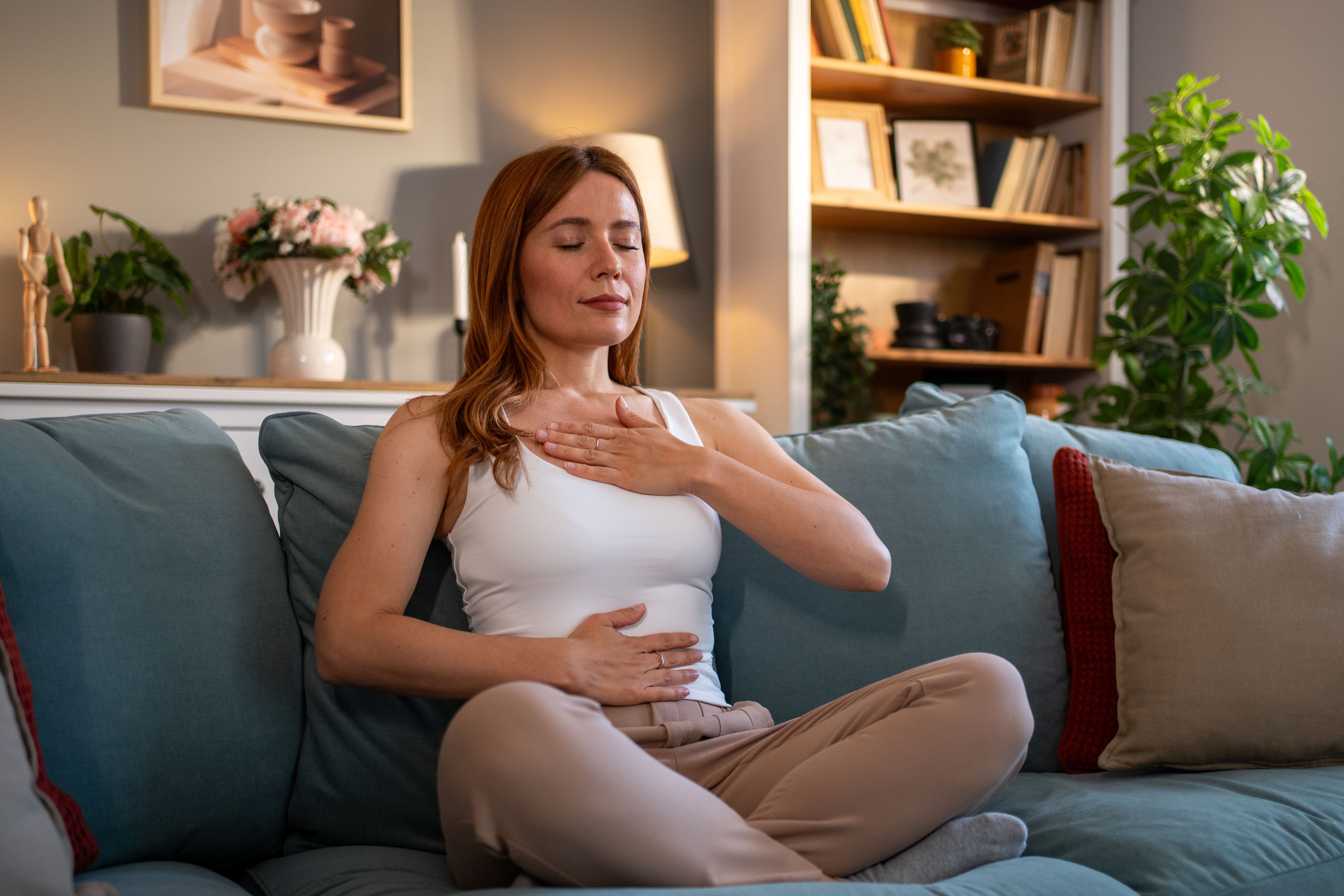
One of the simplest ways to calm your nervous system is through controlled breathing. Deep, slow breaths can help activate the parasympathetic nervous system. Try the 4-7-8 technique: inhale for four seconds, hold for seven, and exhale for eight. This practice can quickly ease stress and promote a sense of calm.
Mindfulness and Meditation
Mindfulness and meditation are powerful tools for stress reduction. By focusing on the present moment, you can gain better control over your reactions to stress. Start with just five minutes a day, gradually increasing as you become more comfortable. Meditation apps can be a helpful guide for beginners.
Incorporating mindfulness into everyday activities, such as eating or walking, can also be beneficial. Pay attention to your senses and surroundings, allowing yourself to be fully present in each moment.
Physical Activity and Relaxation
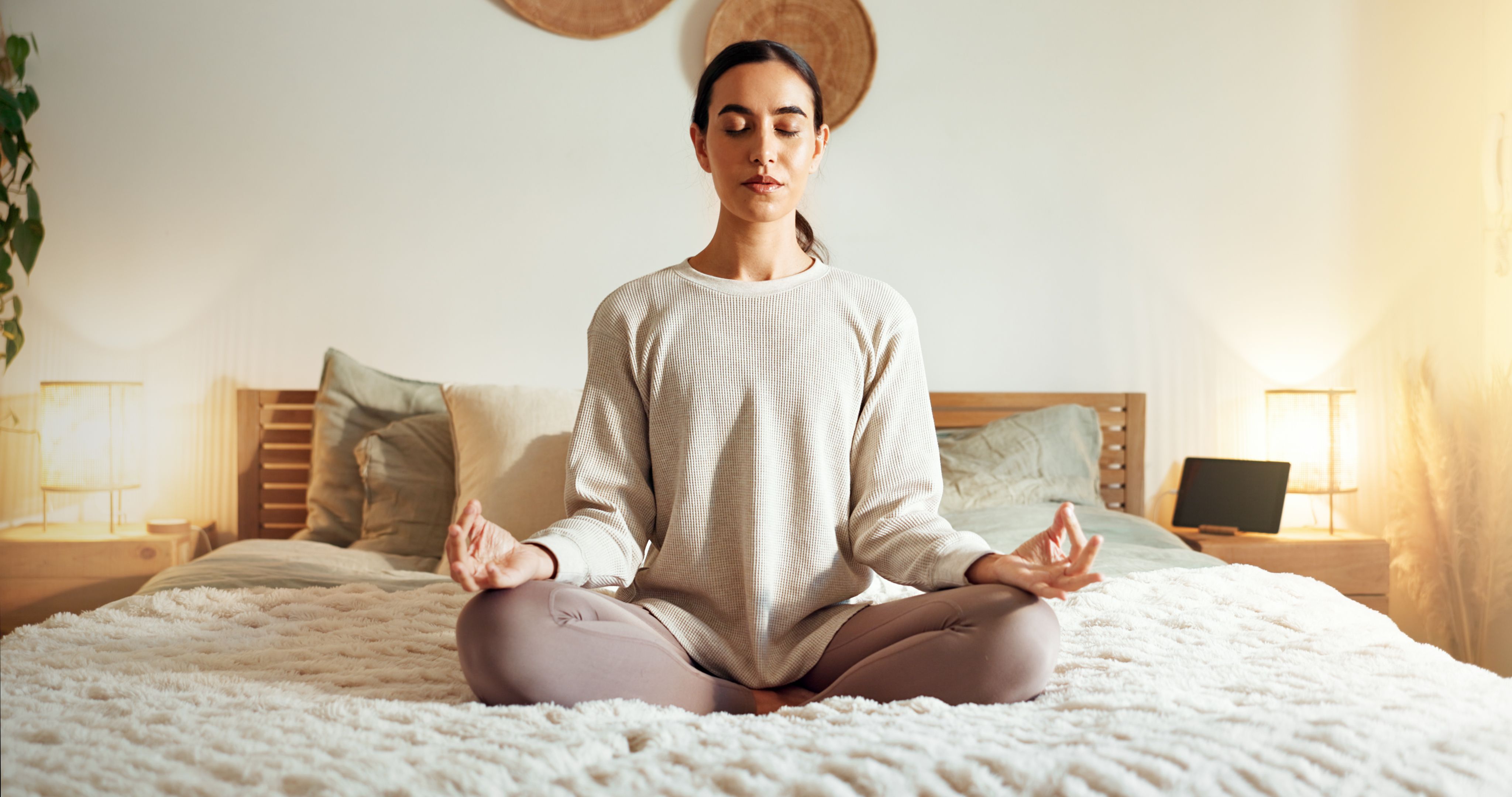
Regular physical activity is essential for maintaining a healthy nervous system. Exercise releases endorphins, which are natural mood elevators. Activities like yoga or tai chi are particularly effective as they combine movement with deep breathing and mindfulness.
Progressive Muscle Relaxation
Progressive muscle relaxation (PMR) is a technique that involves tensing and then slowly releasing each muscle group in the body. This practice helps identify areas of tension and promotes relaxation. Start from your toes and work your way up to your head, spending a few seconds on each muscle group.
Creating a Calming Environment
Your surroundings can significantly impact your stress levels. Create a calming environment at home or work by reducing clutter, adding soothing colors, and incorporating elements like plants or calming scents. These small changes can make a big difference in how you feel.
Healthy Lifestyle Choices
Finally, maintaining a balanced lifestyle is crucial for reducing stress. Ensure you're getting enough sleep, eating a balanced diet, and staying hydrated. Limit caffeine and alcohol, as they can exacerbate stress and anxiety.
By integrating these techniques into your daily routine, you can effectively manage stress and create a more peaceful, balanced life. Remember, taking small steps every day can lead to significant improvements in your overall well-being.